
Food Insecurity at Rutgers University: Our Community Responds
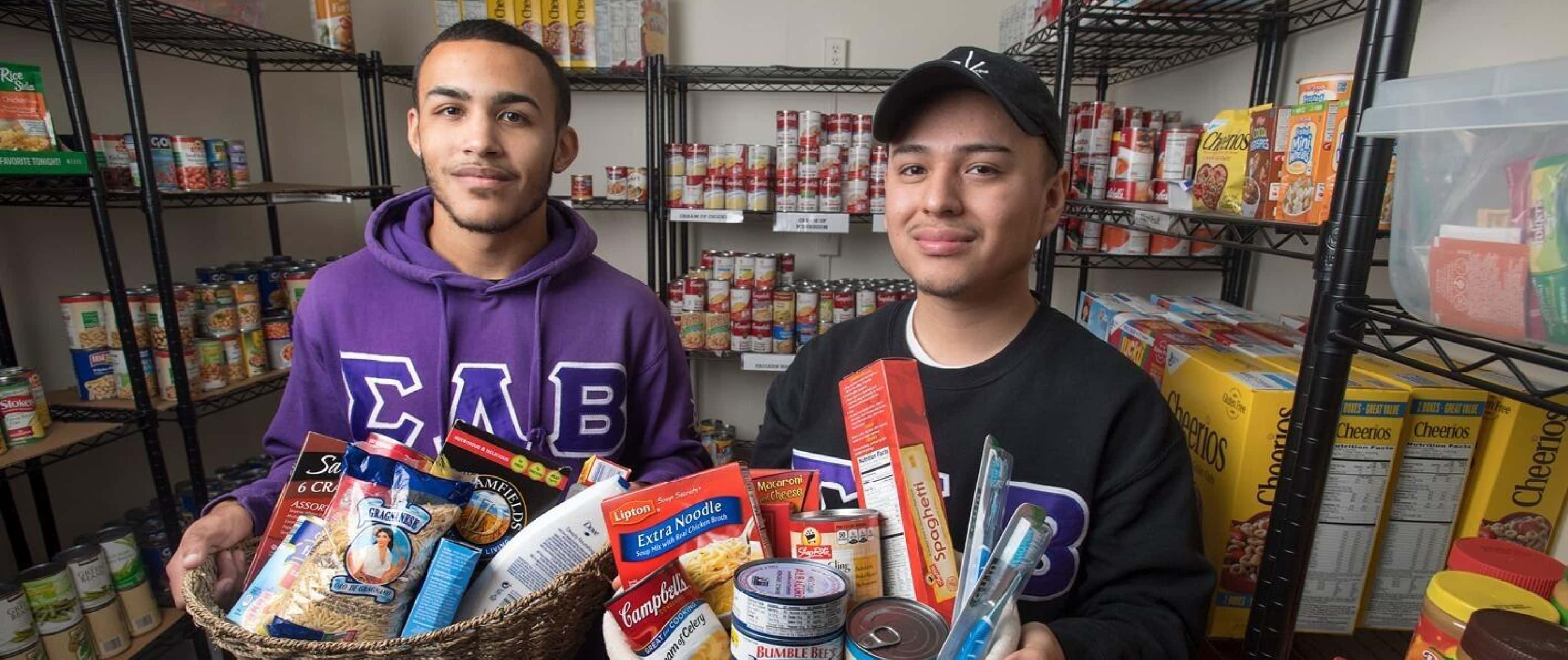
Rutgers University is a diverse and dynamic institution. Our students come from across New Jersey and around the world. They represent a wide array of personal, family, social, and socioeconomic backgrounds.
This means that when food insecurity exists anywhere in America, it will exist at Rutgers. And in fact, it does. According to research conducted by Rutgers professors Cara Cuite and Stephanie Brescia, along with a team representing all Chancellor-led Units:
- Approximately one in three students on Rutgers campuses have experienced food insecurity.
- 31.2 percent of undergraduates and 26.5 percent of graduate students reported experiencing food insecurity over the past 30 days.
- Undergraduates reported experiencing higher rates of food insecurity than graduate students.
- Rutgers–Newark undergraduates reported the highest level of food insecurity (46.9 percent), and Rutgers Health graduate students reported the lowest (19.8 percent). Clearly, food insecurity can be found everywhere.
One factor affecting student food insecurity is that students across America are entering college later. According to Feeding America:
The average age at first enrollment is 21, and the overall average age of students is 26. As such, many college students are balancing schoolwork with parenting, with 22 percent of students caring for child dependents and 14 percent doing so as single parents. Overall, the share of college students with low household incomes has increased, and when these factors are combined with the rising cost of education, many adult students are struggling to make ends meet.
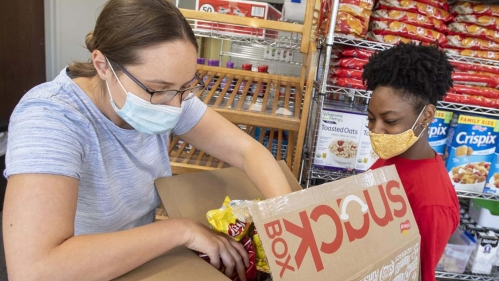
Everything that affects the nation as a whole also affects life on our campuses. When grocery prices rise, as they have for most of the last three years, it increases the number of students who rely on our on-campus food pantries. One Rutgers student pantry reported a more than 50 percent increase in student visits over the course of just one year.
And although 74 percent of Rutgers undergraduates receive some form of financial aid, it often isn’t enough to cover all of life’s necessities.
“I often am not able to pay for books and or groceries because I stay right next to campus and my rent is expensive.”
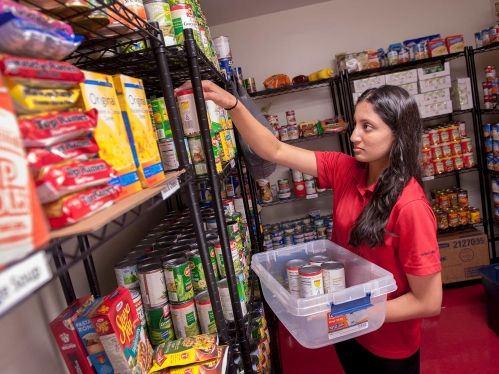
“Everyone should have their basic needs met without stigma.”
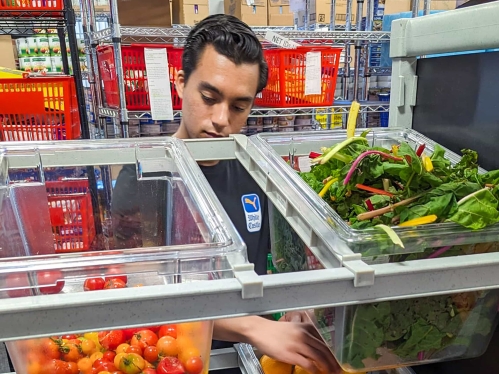
We agree. Nothing makes sense when you’re hungry. And studies have found that being food insecure at any time during a student’s college experience has a negative effect on their success. In order to help our students learn to the best of their abilities, we need to meet their basic needs so they can focus on excellence.

One of the ways we’re doing this is by calling on the energy and spirit of the Rutgers community with the return of the Raptors vs. Raiders Food Drive Challenge. When you give to help end hunger, you can direct your gift to one or more of four Rutgers food pantries. We’re challenging Rutgers–Camden students and alumni to give to the Scarlet Raptors Nest pantry, and Rutgers–Newark students and alumni to support the Raiders Pantry+ at RU-N Fund. Let’s see which campus can raise more money to keep the shelves stocked! Whichever campus comes out on top, the real winners are students, who should never face hunger!
Right now, the need for food is very high. During breaks and holidays, the demand at food pantries is even higher. We encourage members of our community to donate and to designate gifts to the Rutgers food pantry of their choice. These pantries are stocked with healthy foods and supported by our community—alumni, family members, and caring friends.
In this way, we can work together to ensure that students have the support they need to learn and to thrive.
Join us in making a difference today! Give the gift of nourishment and opportunity.